


The Most Dangerous Season to Swim in the Atlantic Ocean
When planning a beach vacation, the Atlantic coastline often tops the list, with miles of sandy shores, warm waters,
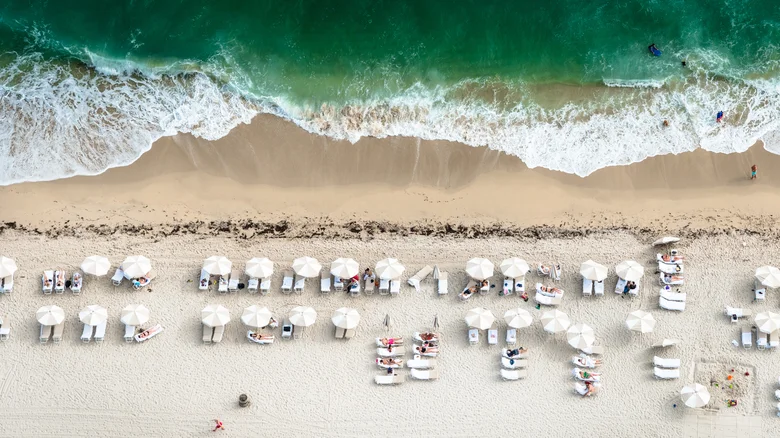
When planning a beach vacation, the Atlantic coastline often tops the list, with miles of sandy shores, warm waters, and scenic views. However, while summer is typically seen as the safest season for swimming, autumn brings unique dangers that can catch even experienced swimmers off guard.
From powerful rip currents to shark migration patterns, here’s why swimming in the Atlantic Ocean during the fall months is riskier than you might expect.
Increased Risks During Hurricane Season

While hurricane season in the Atlantic runs from June through November, its peak occurs in September and October. During this time, storms often form far offshore, but their effects can be felt hundreds of miles away.
Even without a direct hit, a nearby hurricane can generate large swells, high winds, and dangerous surf. These conditions make it difficult for swimmers to maintain balance and control, especially with waves crashing more frequently and strong currents pulling underwater.
Rip Currents: The Hidden Threat
One of the most serious hazards during the fall is the increased likelihood of rip currents — fast-moving channels of water that flow from the shore into deeper ocean waters. These currents are often invisible from the beach and can quickly sweep swimmers far from land.
According to the National Weather Service, rip currents account for nearly 80% of beach rescues in the U.S. each year and are responsible for around 100 drowning deaths annually. Coastal states like North and South Carolina report rip currents as the leading weather-related cause of death along their beaches.
Holiday Crowds, Fewer Lifeguards
The Labor Day weekend, which falls within the hurricane season, often sees a spike in beach attendance. Unfortunately, this rise in beachgoers doesn’t always match lifeguard availability. With fewer trained professionals on duty in the off-season, swimmers may find themselves in trouble with limited access to emergency help.
Shark Migration Adds Another Layer of Risk

As autumn arrives, great white sharks begin their seasonal migration south, traveling from northern waters off Newfoundland and Cape Cod toward warmer regions such as Florida.
Their route runs directly along the Eastern Seaboard, passing popular beaches in states like New Jersey, Virginia, and the Carolinas. These sharks follow baitfish and other food sources that also move with the changing water temperatures.
Florida: A Notorious Hotspot
New Smyrna Beach, Florida, has earned a reputation as the most dangerous beach in the U.S. — not just for shark encounters, but also for hazardous surf and rip current activity. The combination of these factors during the fall season makes this beach, and many others along the Atlantic coast, especially treacherous.
Final Thoughts: Swim with Caution in Autumn
While the Atlantic Ocean remains a beautiful destination year-round, fall presents environmental hazards that demand extra caution. Whether it’s strong rip currents caused by offshore storms or migrating sharks passing close to shore, the risks to swimmers during this season are real and serious.
Tips for Safer Swimming in the Fall:
- Always check the weather and surf reports before heading to the beach
- Swim only in designated areas with lifeguards on duty
- Avoid the water during and after hurricane activity, even if skies are clear
- Be aware of local shark advisories and warnings
- If caught in a rip current, don’t panic — swim parallel to the shore until you’re free
By staying informed and cautious, you can enjoy the Atlantic coastline safely, no matter the season.


